
Stabilize the current route.
Appropriate when the main issue is unclear ownership, inconsistent use, missing documentation, or a fixable routine.
- Lower change burden
- Existing limits remain
- Needs disciplined follow-through
Winter Garden / Central Florida Field note IR–00
IRONROUTE IT CONSULTING LLC helps organizations make sense of a current setup, compare realistic directions, and document a next step people can follow.
Current-state route atlas
Use ← → keys to compare conditions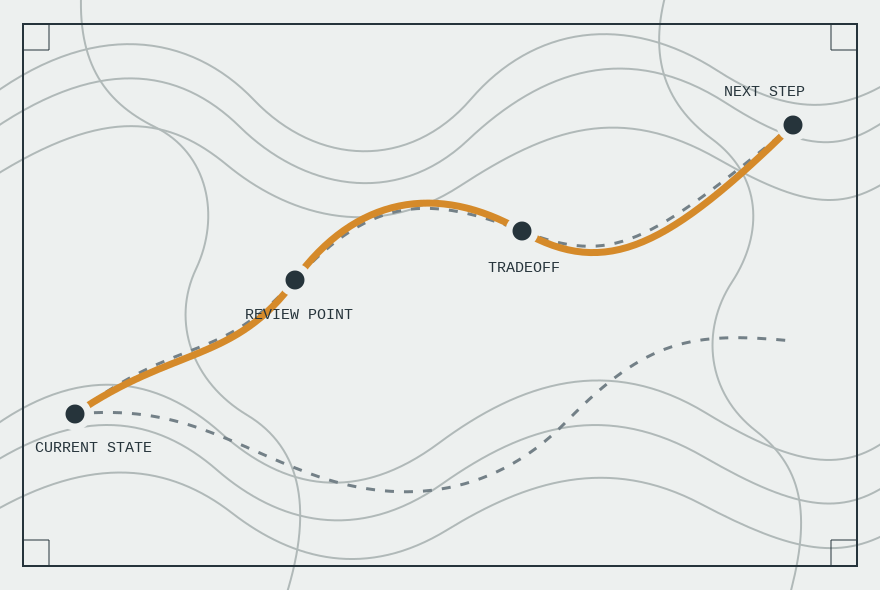
Trace the systems, people, information, and recurring friction around the question before naming a solution.
Make handoffs, requirements, timing, access, and operating constraints visible enough to compare options fairly.
Set ownership, review points, open questions, and documentation so the work can continue without losing context.
Routebook premise
A technology concern rarely sits by itself. It crosses tools, routines, information, and people’s day-to-day work. Treating the first symptom as the whole problem can send effort in the wrong direction.
A focused consulting review creates a shared view: what is happening, what matters, where the constraints sit, and which next moves deserve consideration.
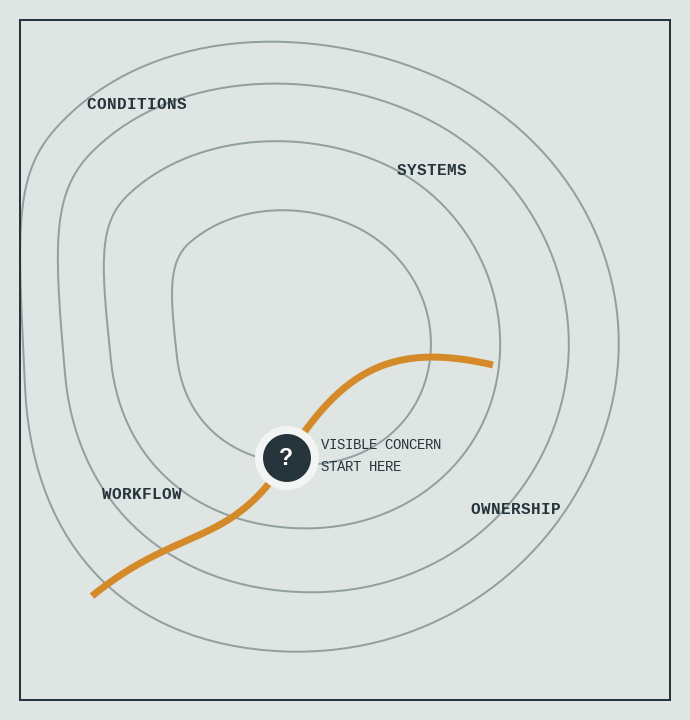
Plate 02 / The visible issue is one point in a larger operating landscape.
Read the terrain
The review follows the question outward only as far as needed. It is not an audit of everything. It is a practical way to locate the decision.
Consulting areas / six bearings
Each area can stand alone or connect to a broader question. Scope and outputs depend on the situation and information available.
Clarify the environment, affected work, known friction, and open questions.
↗NE / DefineTurn a loosely stated need into clear boundaries, priorities, and acceptance considerations.
↗E / TraceFollow how work and information move, especially where responsibility changes.
↗SE / TestSurface the conditions, assumptions, and connected decisions that shape a change.
↗SW / CompareCompare realistic directions against the same needs and tradeoffs.
↗W / SequenceArrange a selected direction into reviewable steps, ownership, and working notes.
↗Decision trails
No single path is automatically right. The useful question is what each direction asks you to accept, prepare, or postpone.
Appropriate when the main issue is unclear ownership, inconsistent use, missing documentation, or a fixable routine.
Appropriate when the foundation still fits but a workflow, handoff, configuration, or supporting tool needs attention.
Appropriate when core needs no longer fit the current approach and a managed transition is justified.
Engagement route
The route can be short for a bounded question or wider when several decisions connect. Each waypoint should leave the next conversation clearer.
Name the concern, affected work, and desired decision.
Gather relevant context and mark what is still unknown.
Test options against needs, constraints, and consequences.
Record the direction and the reason for taking it.
Set sequence, ownership, review points, and useful notes.
Working outputs
Deliverables are selected to support the question at hand. Useful documentation is concise enough to use and detailed enough to preserve the reasoning.
View possible deliverablesContext, scope, affected work, and open questions.
Relevant systems, handoffs, information, and ownership.
Needs, priorities, constraints, and acceptance considerations.
Directions compared against shared criteria with tradeoffs visible.
Preparation, dependencies, review points, and next actions.
Practical principles
Begin with the actual work and environment, not a favorite answer.
Uncertainty is more useful when it sits beside the decision it affects.
Use the same needs and constraints to evaluate each direction.
A next step needs a person who can carry or review it.
Record why the route changed so future work keeps its context.
28.56° N / Central Florida
IRONROUTE IT CONSULTING LLC is based in Winter Garden and serves a broad Central Florida context. Conversations can begin with the technology itself, but the useful route also accounts for how local organizations actually work: mixed responsibilities, practical constraints, and limited attention for unnecessary complexity.
The company provides general IT consulting. Each inquiry is considered on its own facts, and any scope is defined separately before work begins.
Five field questions
Start with the work that feels unclear, blocked, repetitive, or ready for review.
A conversation can begin around a current setup, connected workflow, requirements question, planned change, option decision, or documentation need. Fit and scope are discussed before any engagement.
No. Existing notes, diagrams, screenshots, or process descriptions may help, but missing information can be part of the review. A plain account of what is happening is enough to begin.
Yes. A bounded question often makes the review, responsibilities, and intended output easier to define.
Not by default. If a product or provider choice is in scope, options should be compared against stated needs and constraints rather than familiarity alone.
Describe the concern, the work it affects, what has already been considered, and the decision ahead. Do not include passwords, access details, payment information, or sensitive records.
Next waypoint
Share the situation as it stands. A short note about the affected work and the choice ahead is enough to start.
Describe the starting point