
Confirm that new detail still serves the original question.
Field method / Annotated route
Read first. Choose with context. Leave a usable trail.
The approach is a flexible discussion structure. It helps keep the original question, evidence, constraints, decisions, and ownership connected from start to finish.
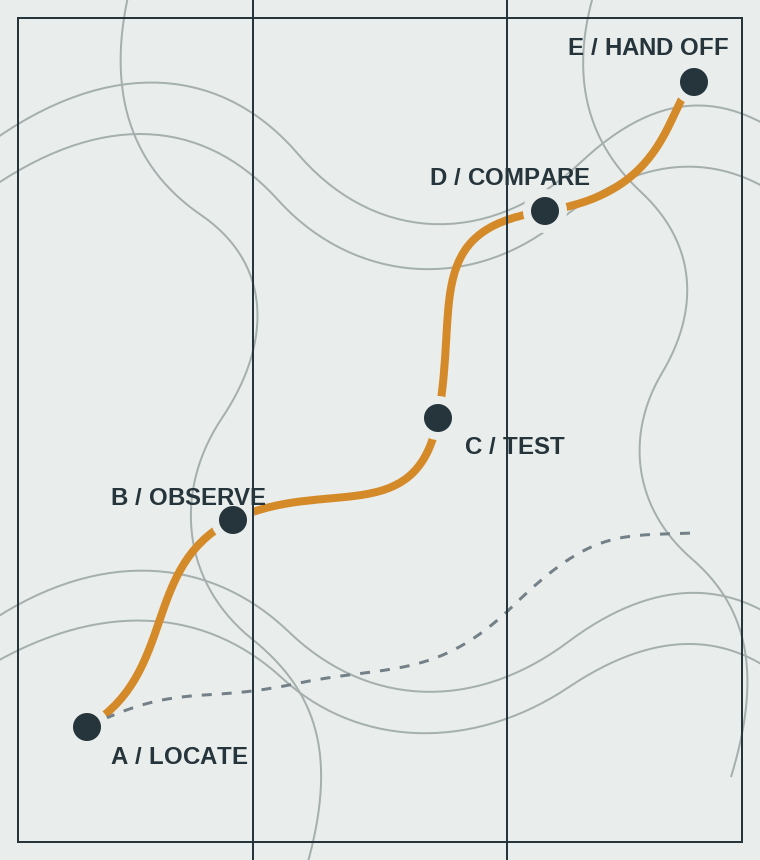
Plate 03 / The route bends as new context becomes visible.
Annotated route
- A / Locate
Set the question.
Name what is happening, where it appears, who or what it affects, and what decision needs support.
Useful inputs: plain-language account, existing notes, examples of the issue. - B / Observe
Read the current state.
Review the relevant systems, routines, information, ownership, and existing material. Separate observations from assumptions.
Useful outputs: situation brief, current-state or workflow map. - C / Test
Mark constraints and unknowns.
Make requirements, dependencies, timing, access, continuity needs, and unanswered questions visible.
Useful outputs: requirements outline, dependency register. - D / Compare
Weigh realistic directions.
Use shared criteria to compare what each option changes, preserves, requires, and postpones.
Useful outputs: criteria set, options and tradeoff note. - E / Hand off
Prepare the next leg.
Record the selected direction, sequence, ownership, review points, and information needed to continue.
Useful outputs: decision record, action sequence, working reference.
Tradeoff lenses
Look at each route from more than one contour.
A direction that looks simple from one angle may carry more work somewhere else. These lenses help keep the comparison grounded.
LensQuestion to askWhat to make visible
Fit
Does this direction address the stated need?
Requirements met, gaps, assumptions
Continuity
What must keep working while the route changes?
Dependencies, transition needs, fallback
Effort
What preparation and ongoing attention does it require?
People, learning, coordination, maintenance
Reversibility
How difficult is it to change course later?
Commitments, exit path, decision points
Clarity
Can the people involved understand and operate it?
Ownership, documentation, support path
Route conditions
Pause where the decision deserves a check.
Check whether evidence or familiarity is driving the choice.
Confirm dependencies, responsibility, and readiness.
Review accuracy, open questions, and who owns the next move.
What helps
Bring context, not a perfect brief.
Useful starting material can include an example of the issue, existing process notes, screenshots without sensitive information, a list of affected tools, or a description from the people doing the work.
It is also reasonable to arrive with uncertainty. The first task may be to work out which question should be answered before anything changes.
Do not send passwords, access details, payment information, confidential records, or regulated data through the website form.
Describe the starting point